
Energy Saving Tips for Australian Homes
Slash your bills with these efficiency hacks. You don't need solar panels to save money. You just need smarter habits.
Find Cheaper TariffsEnergy efficiency isn't just about saving the planet; it's about keeping money in your pocket. The average Australian household wastes between 20-30% of the energy they pay for through inefficiencies like draughty windows, old appliances, and "vampire" standby power. This guide covers actionable strategies to tighten up your home's envelope and reduce your consumption without sacrificing comfort.
Table of Contents
1. Heating & Cooling Efficiency
Heating and air conditioning (cooling) accounts for roughly 40% of the average Australian household's energy bill. This is your biggest target for savings, especially during our hot summers and chilly winters.
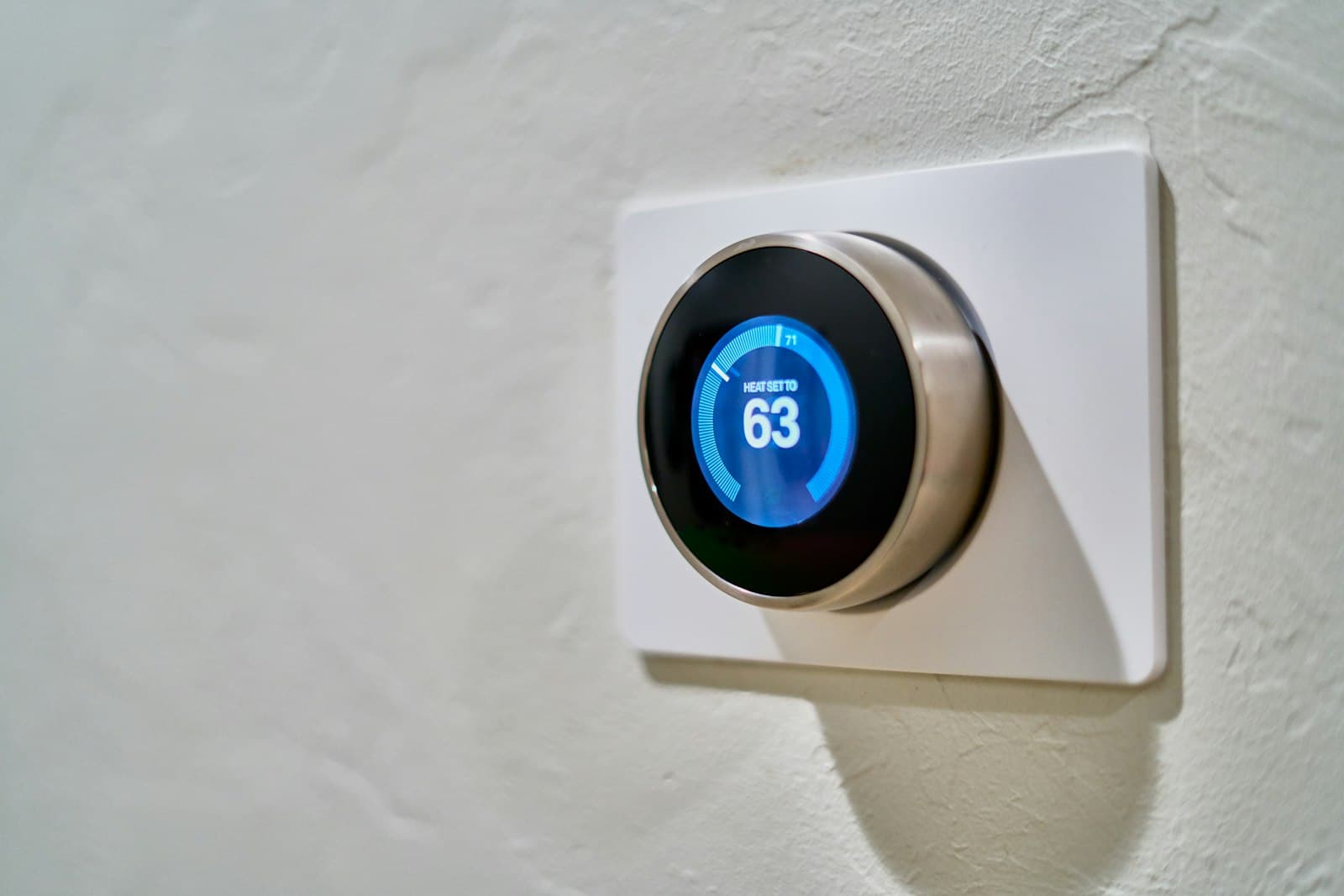
- The Golden Rule: Every degree matters. In winter, set your heating to 18-20°C. In summer, set cooling to 24°C or higher. Every single degree lower in summer adds approximately 10% to your running costs.
- Draught Proofing: Use "door snakes" and seal gaps around windows. Unsealed homes lose heat rapidly, forcing your heater to work overtime.
- Zoning: Close doors to rooms you aren't using. Don't pay to heat the spare bedroom.
2. Appliance Optimisation
Wondering what this means for your bill?
Compare plansYour fridge runs 24/7, making it one of the most expensive appliances to run.
Washing Machines: 90% of the energy used by a washing machine goes towards heating the water. Switch to Cold Wash cycles (modern enzymes in detergents work perfectly in cold water) to slash costs instantly.
3. Lighting Solutions
If you still have halogen downlights, they are burning a hole in your wallet. A standard halogen bulb uses ~50 Watts. An equivalent LED uses ~5 Watts. That is a 90% reduction in energy usage. Furthermore, halogens run hot, adding to the heat load your air conditioner has to fight in summer.
| Bulb Type | Lifespan | Annual Cost (10 bulbs) |
|---|---|---|
| Halogen | 2,000 hours | ~$150 AUD |
| LED | 25,000+ hours | ~$15 AUD |
4. Water Heating Hacks
Hot water is usually the second largest energy user in Australian homes.
- Take shorter showers (aim for 4 minutes).
- Install a water-efficient showerhead (WELS 3-star or better). It uses less water, meaning less water needs to be heated.
- Check the thermostat: Your hot water storage tank should be set to 60°C to prevent bacteria growth, but no higher. Higher temps waste energy.
5. Behavioural Changes
Technology helps, but habits are free.
- Standby Power: Turn off game consoles, TVs, and computers at the wall. "Vampire power" can account for 3-5% of your bill.
- Dishwasher Tetris: Only run the dishwasher when it is completely full.
- Dry Clothes Naturally: The sun is free. Using a clothes dryer is one of the most expensive ways to dry clothes in Australia.
6. Seasonal Adjustments
Summer: Block out the sun. External shading (blinds/awnings) is 3x more effective than internal curtains. Stop the heat before it hits the glass.
Winter: Open curtains on North-facing windows during the day to let free solar heat in. Close them at dusk to trap that heat inside.
Final Takeaway
Efficiency is a game of inches. A few small changes across heating, lighting, and habits can cumulatively reduce your bill by 30%. Combine this with a competitive energy tariff for maximum savings.
Compare Rates7. Frequently Asked Questions
Do smart plugs save money?
Yes, if used correctly. They allow you to turn off hard-to-reach appliances fully, eliminating standby power usage.
Is it cheaper to leave the AC on all day or turn it on/off?
Generally, it is cheaper to turn it on only when needed. Inverter units are efficient at maintaining temp, but cooling an empty house all day is rarely cost-effective compared to cooling it down quickly upon arrival.
Wondering what this means for your bill?
Compare plans